All articles
HeizkostenV: 31 Dec 2026 deadline for remote‑readable heat and hot‑water meters—3% tenant reduction risk
By 31 December 2026, all in‑building heat and hot‑water meters in Germany must be remotely readable. Non‑compliance risks a 3% deduction in tenants’ heating bills—here’s what owners must replace, prove and budget.
What is due by 31 December 2026
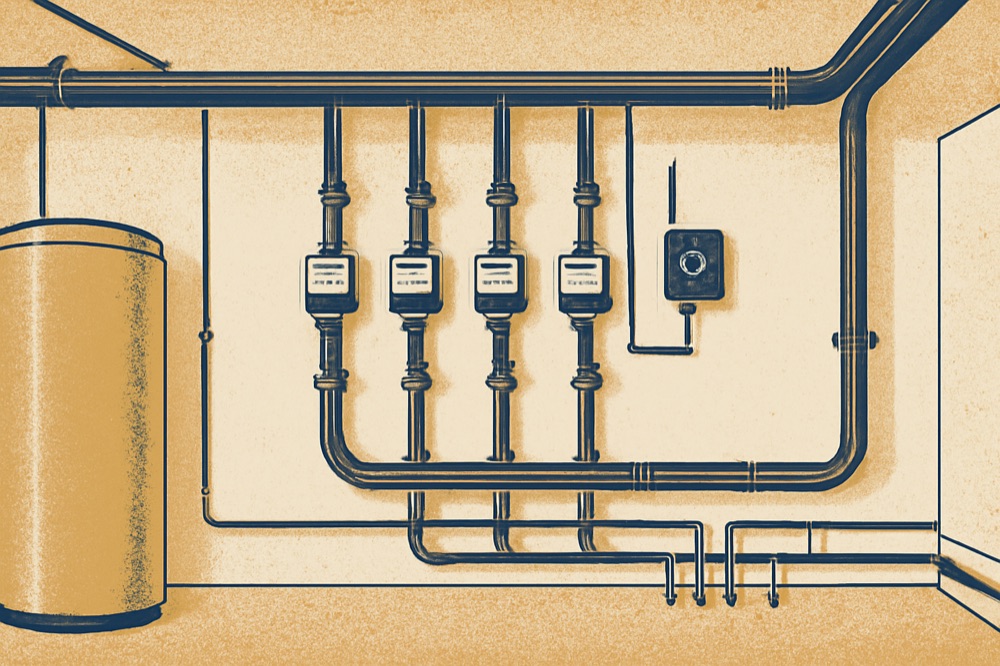
Germany’s Heating Costs Ordinance (Heizkostenverordnung, “HeizkostenV”) was amended on 1 December 2021 to transpose the EU Energy Efficiency Directive. The law requires that all equipment used to allocate heating and domestic hot‑water costs inside buildings be remotely readable by 31 December 2026. “Remotely readable” means values can be read without entering the individual dwelling. Devices affected are heat cost allocators (HKV), heat meters (Wärmemengenzähler) and hot‑water meters (Warmwasserzähler). New devices installed after 1 December 2021 must be remotely readable from day one; devices installed from 1 December 2022 must additionally be interoperable across manufacturers and capable of secure connection to a Smart‑Meter‑Gateway. Existing, non‑remotely‑readable devices must be retrofitted or replaced by 31 December 2026. Devices installed between 1 December 2021 and 30 November 2022 that are remotely readable but not yet interoperable/Smart‑Meter‑Gateway‑capable must meet those extra requirements by 31 December 2031. These obligations are set out in § 5 HeizkostenV and its official explanations.
Who is affected, and what are the limited exceptions
The obligations apply to landlords and homeowner associations (WEG) alike; the HeizkostenV is mandatory and cannot be waived by contract or WEG resolution. There are narrow exemptions in § 11 HeizkostenV. For space heating, §§ 3–7 (and thus § 5) do not apply, for example, where installing devices or allocating costs would only be possible at disproportionate cost (defined as not recoverable through savings within about 10 years), in certain institutional buildings (such as care homes or student dormitories), or where users cannot influence consumption in pre‑1981 buildings. § 11(2) applies these principles to domestic hot water. If an exemption under § 11 is valid, the tenant reduction rights under § 12 do not apply. District‑heating interface meters are regulated in a separate ordinance (FFVAV), which likewise requires remote reading and monthly information by 31 December 2026 at the network delivery point; inside the building, the HeizkostenV rules continue to apply.
The 3% tenant reduction—and how it adds up
If an owner fails to install remotely readable devices contrary to § 5(2)–(3), each tenant may deduct 3% from their share of heating and hot‑water costs under § 12 HeizkostenV. A separate 3% deduction applies if the owner fails to provide the required monthly consumption information under § 6a. These rights are in addition to the long‑standing 15% reduction where costs are not billed based on consumption at all. Legal commentary confirms the 3% reductions and that, if multiple statutory failures occur, the reductions can cumulate (e.g., 15% + 3% + 3%).
What exactly must be replaced or retrofitted
Survey every building you own or manage. Identify all heat cost allocators on radiators, apartment or riser heat meters, and hot‑water meters. Any device that cannot be read without entering the flat must be retrofitted (often with a radio module) or replaced by a remotely readable model by 31 December 2026. New devices installed since 1 December 2022 must be interoperable with devices of other manufacturers and compliant with state‑of‑the‑art data protection and security; compliance is presumed if the equipment follows protection profiles and technical guidelines published by the Federal Office for Information Security (BSI) or can be connected to a Smart‑Meter‑Gateway under the Messstellenbetriebsgesetz. Keep in mind: devices installed between 1 December 2021 and 30 November 2022 that are already remotely readable may stay in place, but they must be upgraded to interoperability/Smart‑Meter‑Gateway capability by 31 December 2031.
What owners must prove and document
The statute creates duties; in disputes, owners must demonstrate compliance. Practical documentation includes: supplier declarations for interoperability and Smart‑Meter‑Gateway capability; commissioning and device lists showing types and installation dates; evidence that remotely readable devices were in place by 31 December 2026; and logs or service records showing monthly consumption information was provided from 1 January 2022 wherever remotely readable devices existed. If you rely on an exemption under § 11 or on the hardship clause in § 5(3) sentence 2 (technical impossibility or disproportionate expense), obtain a written expert statement (e.g., from the metering service or a publicly appointed expert) and keep it with the building records. If the exemption is valid, no tenant reduction applies, but you bear the burden to substantiate it.
Budgeting: what to allow for in 2026
Costs vary by building, device count and whether you buy or rent devices via a metering service. Public and provider sources indicate: electronic radio heat cost allocators typically cost about €15–40 per device plus €3–15 per device for installation when purchased; many providers offer rental/service bundles with per‑device annual fees. Published price lists show annual service/device fees per heat cost allocator often in the mid‑single‑digit euros, plus per‑meter fees for heat and hot‑water meters; Smart‑Meter‑Gateway operators may charge an annual fee to transmit sub‑metering data under the Messstellenbetriebsgesetz. Use these as ballpark ranges and confirm with written quotes for your building. If you manage a WEG, plan the 2026 retrofit as a resolution item and secure installer capacity early—supply bottlenecks close to year‑end are plausible.
What changed in billing and information duties
Since 1 December 2021, bills based on actual consumption must include specified information, such as the energy mix and taxes, and comparisons of weather‑adjusted consumption. Since 1 January 2022, where remotely readable devices exist, owners must provide monthly consumption information containing last month’s kWh, comparisons to the previous month and same month of the prior year (if available), and a benchmark against an average user. Failure to provide these under‑year notices can trigger the separate 3% deduction under § 12. Keep your metering provider contract aligned with § 6a HeizkostenV and verify the monthly messages go out to all users.
Nothing on this page is investment, tax or legal advice. Price bands are indicative asking prices and disagree between sources by design. Verify every figure with a qualified German notary, tax adviser (Steuerberater) or lawyer before committing capital.