All articles
BayernLB finances Empira’s Bärenpark Berlin deal (€62.5 m): what a transition‑to‑green loan means for warranties, retrofit covenants and KfW risk
Empira closed on the 875‑unit Bärenpark in Berlin‑Tempelhof with BayernLB providing €62.5 m acquisition financing. This article explains, for non‑German readers, how a labelled “transition‑to‑green” loan commonly changes seller warranties, inserts retrofit covenants and can create KfW/grant‑clawback exposure the buyer must manage.
The deal: facts and immediate implications
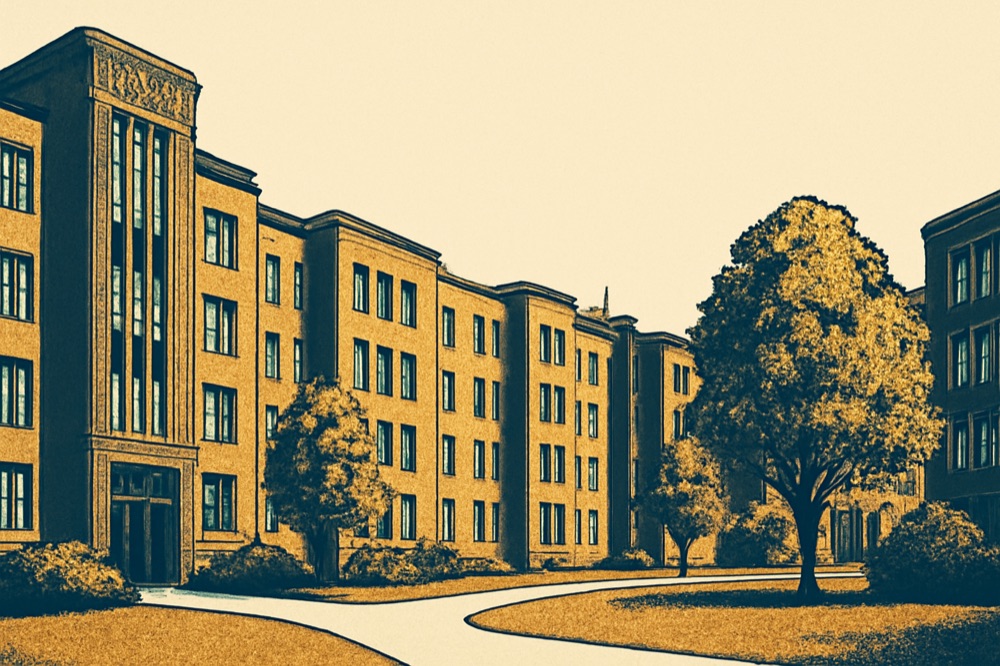
On 5 October 2026 Empira Group announced completion of its acquisition of the listed residential estate “Bärenpark” in Berlin‑Tempelhof (commonly called Bärensiedlung). The complex comprises 12 blocks with 875 flats and roughly 48,000 sqm of lettable space; several news outlets report the transaction value at about €100 m and that BayernLB provided €62.5 m of acquisition financing. (Sources: Empira/BayernLB reporting and trade press.)
Empira describes the purchase as part of its Transition‑to‑Green strategy; the buyer has stated a key planned measure is conversion from gas heating to district heating and further energy‑efficiency upgrades. BayernLB is publicly positioned as financing that transition‑to‑green investment. For buyers and prospective investors, two immediate practical questions follow: (1) how does a labelled green/transition loan change what sellers must warrant at completion? (2) how do retrofit covenants and public funding (KfW/grants) interact with buyer protections and clawback risk?
How transition‑to‑green financing alters seller warranties
A labelled green or “transition” loan rarely changes the legal principle that the seller gives contractual warranties; instead it changes scope and allocation of risk. In practice you will see three common effects.
First, sellers negotiate broader disclosure and specific carve‑outs for latent retrofit items. Where the buyer’s plan depends on energetic upgrades (heritage façades, heating plant replacement, connection to district heating), sellers often limit long‑tail liability by disclosing known constraints and excluding pre‑agreed retrofit works from general title and condition warranties. Buyers should insist on full catalogue disclosure (manhole to attic) and specific indemnities for undisclosed heritage or planning prohibitions.
Second, lenders and borrowers add conditions precedent: the lender will require that certain permissions, retrofit budgets and a technically credible plan exist before drawdown. That shifts commercial risk: a lender‑required condition (e.g. an agreed district‑heating connection plan) can allow the lender to suspend funding if not met, leaving the buyer exposed to purchase price obligations but without immediate funds unless the SPA anticipates this timing mismatch.
Third, sellers and buyers commonly use escrow, price retention or deferred completion tranches that tie a portion of the purchase price to pre‑agreed retrofit milestones. For a buyer this mitigates warranty exposure but increases complexity—contracts must be precise about milestone tests, timing and dispute resolution.
Retrofit covenants, lender controls and KfW/grant clawback risk
Transition‑to‑green loans commonly include affirmative retrofit covenants the borrower must meet (e.g. energy performance targets, timelines, reporting). Lenders may reserve the right to approve budgets, contractors and milestone reports; they may also attach margin step‑ups or default events to missed targets. That makes the borrower contractually obliged to perform upgrades—and creates direct operational obligations for the asset owner once the loan is signed.
Public funding or KfW support is frequently part of the retrofit financing stack. Grant or subsidised loan programmes have eligibility conditions and completion deadlines; failure to comply can trigger repayment or clawback of the subsidy. That means a buyer who acquires a building after a seller has applied for or received KfW support must check programme rules and the conditions under which grants remain with the property or are repayable on change of ownership. If the buyer intends to rely on KfW funding, the SPA should require seller warranties about disclosed applications, and the purchase price mechanics should allocate clawback exposure. Absent clear contractual allocation, the buyer can face unexpected repayment obligations.
Practical steps for buyers: (a) obtain lender term sheets early to identify conditions precedent and covenants; (b) require detailed seller disclosures and indemnities for any pending subsidy applications; (c) use escrow/price holdbacks for retrofit milestones; (d) bring planning/heritage and KfW counsel into diligence to test eligibility and clawback triggers; (e) negotiate grace periods or mechanics so a lender cannot unilaterally withhold funding while buyer remains bound to complete purchase.
Bottom line for foreign buyers and next steps
The Bärenpark deal (Empira acquisition; BayernLB €62.5 m financing) is a clear example of institutional investors and banks structuring acquisition financing around energy transition plans. For a foreign investor the key takeaway is procedural: do not treat “green” financing as only a marketing label. It reshapes contractual risk allocation and timing. Buyers should budget for expanded technical, planning and legal diligence; insist on seller warranties about grant applications and regulatory constraints; and negotiate purchase price mechanics that protect against lender draws and KfW clawbacks.
This article summarises market practice and the reported facts of the transaction; it is not legal advice. For transaction‑level analysis ask a German real‑estate lawyer and tax adviser familiar with KfW programmes and energy‑upgrade lending. The principal public sources used for this piece are listed below.
Nothing on this page is investment, tax or legal advice. Price bands are indicative asking prices and disagree between sources by design. Verify every figure with a qualified German notary, tax adviser (Steuerberater) or lawyer before committing capital.